How advanced dynamic simulation enables the anticipation of structural failures, optimization of designs, and cost reduction in heavy vehicle development.
The development of 6×4 trucks requires engineers to face a constant challenge: ensuring that the chassis can withstand severe operating conditions throughout its service life. Road irregularities, repetitive impacts, and high dynamic loads generate complex vibrations that can compromise the vehicle’s structural integrity.
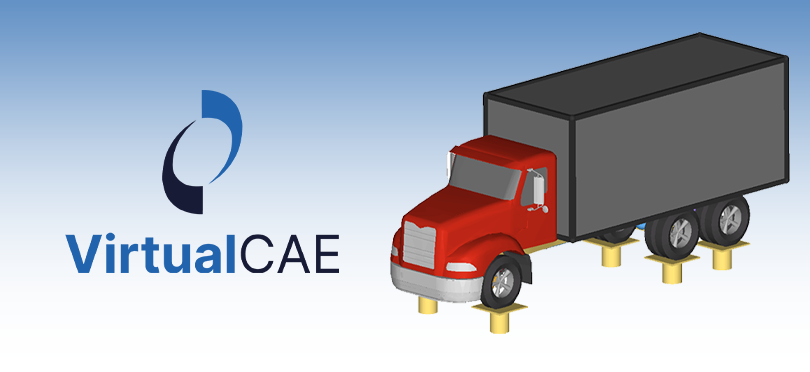
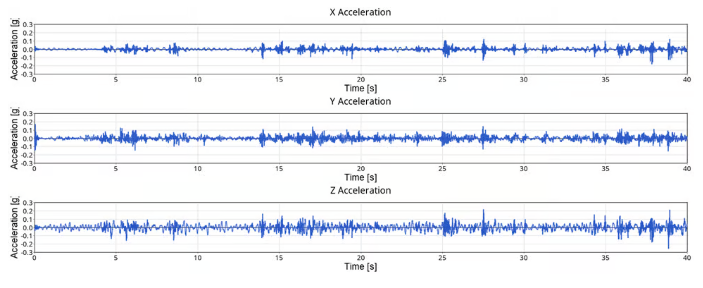
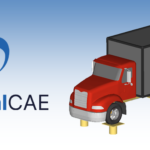
In this context, post-impact vibration simulation emerges as an essential solution within the computer-aided engineering (CAE) environment. Through tools such as MotionSolve, it is possible to virtually reproduce real driving conditions using approaches like the shaker post test, where independent excitations are applied to each wheel of the vehicle.
Shaker Post Processing Test – By Siemens
Based on this methodology, detailed models, including a flexible chassis (flexbody) and suspension systems, allow engineers to evaluate not only the truck’s dynamic behavior but, more importantly, the stresses generated over time. This level of analysis makes it possible to identify critical regions in the chassis, anticipate structural failures, and feed fatigue studies with highly representative data.
Additionally, simulation enables companies to replace a significant portion of physical testing with virtual validation, reducing costs, accelerating development, and increasing the reliability of the final product. In an increasingly competitive market, this ability to predict structural performance before manufacturing becomes a strategic advantage.
Post-impact vibration simulation in 6×4 trucks represents a fundamental evolution in how engineering evaluates the durability and structural strength of heavy vehicles. By integrating multibody dynamics with chassis stress analysis, this approach provides a deep understanding of vehicle behavior under real operating conditions.
For companies, the benefits are clear: reduced prototyping costs, increased reliability, structural optimization, and faster development of new products. More than just a technical tool, simulation has become a strategic pillar for innovation, efficiency, and competitiveness in the automotive sector.
Investing in advanced simulation is not just about following a trend, it is about ensuring that designs are safer, more durable, and better prepared for real-world challenges.