Computational Simulation: The Fastest Path to Reducing CO₂ Emissions in Engineering
- VirtualCAE
- 30/03/2026
- Blog
- CO², English, Simulação Virtual
- 0 Comentários
How simulation-driven engineering is helping companies design more efficient products, reduce waste, and accelerate decarbonization goals
The pressure to reduce CO₂ emissions has never been greater. Stricter environmental regulations, ESG targets, and the need to improve operational efficiency are placing sustainability at the center of engineering decisions. In this context, computational simulation stands out as one of the most strategic tools for companies seeking to reduce their carbon footprint without compromising performance, cost, or timelines.
Traditionally, the development of products and industrial processes relies on physical prototypes, iterative testing, and field adjustments—activities that consume time, resources, and energy. Each prototype built, each test performed, and each rework cycle generates indirect CO₂ emissions, often overlooked in initial assessments. Simulation transforms this paradigm by enabling a large portion of these activities to take place in a virtual environment.
With the use of Computer-Aided Engineering (CAE) tools, engineers can predict the behavior of products and processes before they are even manufactured. This makes it possible to optimize geometries, select more efficient materials, and reduce energy consumption already in the design phase—when decisions have the greatest impact.
In practice, simulation contributes to CO₂ reduction across multiple fronts. In product development, for example, structural analyses enable weight reduction without compromising strength, which is critical in industries such as automotive, aerospace, and industrial equipment. Lighter products require less energy for operation and transportation, resulting in lower emissions throughout their lifecycle.
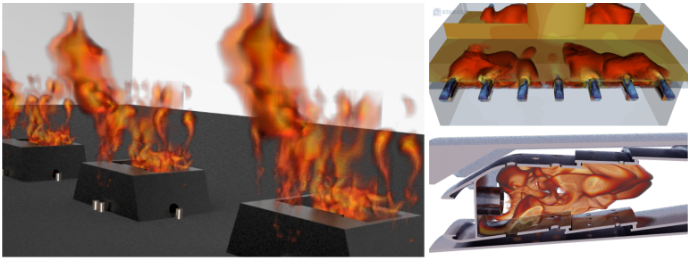
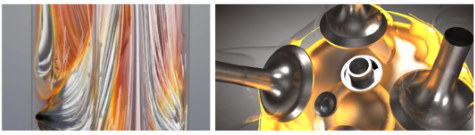
In thermal and fluid systems, CFD (Computational Fluid Dynamics) simulations help optimize heat exchangers, ventilation systems, combustion processes, and industrial operations. This translates into higher energy efficiency and lower consumption of fossil fuels, one of the main sources of CO₂ emissions in industry.
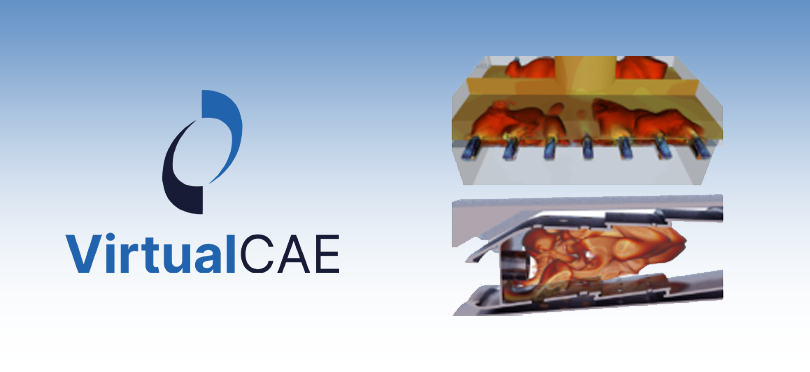
Another key aspect is the optimization of production processes. Through simulation, it is possible to identify bottlenecks, reduce raw material waste, improve process yield, and minimize losses. In operations such as casting, mining, material processing, and manufacturing, this can represent a significant reduction in both costs and emissions.
Simulation also plays a fundamental role in the energy transition. Engineers use numerical models to develop and validate cleaner technologies such as renewable energy systems, batteries, green hydrogen, and carbon capture solutions. In addition, the concept of a digital twin enables real-time monitoring of assets, failure prediction, and continuous optimization of operations—ensuring maximum efficiency with minimal environmental impact.
For companies, the benefits go beyond sustainability. Reducing CO₂ emissions through simulation is directly linked to lower operational costs, increased competitiveness, and better compliance with environmental regulations. In an increasingly demanding market, the ability to design with both efficiency and environmental responsibility becomes a strategic differentiator.
The future of engineering will inevitably be driven by data, simulation, and sustainability. Companies that integrate these tools from the early stages of development not only reduce their carbon footprint but also gain agility, innovation, and competitive advantage.
Related Posts
Transforme Processos Industriais com Simulações CFD de Escoamentos Reativos
- VirtualCAE
- 09/06/2025
Simule fenômenos térmicos e químicos com precisão para otimizar projetos, validar hipótese ..
VirtualCAE: Tecnologia e Inovação para o Setor de Máquinas
- VirtualCAE
- 08/01/2026
A VirtualCAE é referência em soluções tecnológicas voltadas para simulação virtual e int ..